
What the science of happiness taught me about resilience, relationships, and building a life that feels good
Life has a way of throwing us curveballs, doesn’t it?
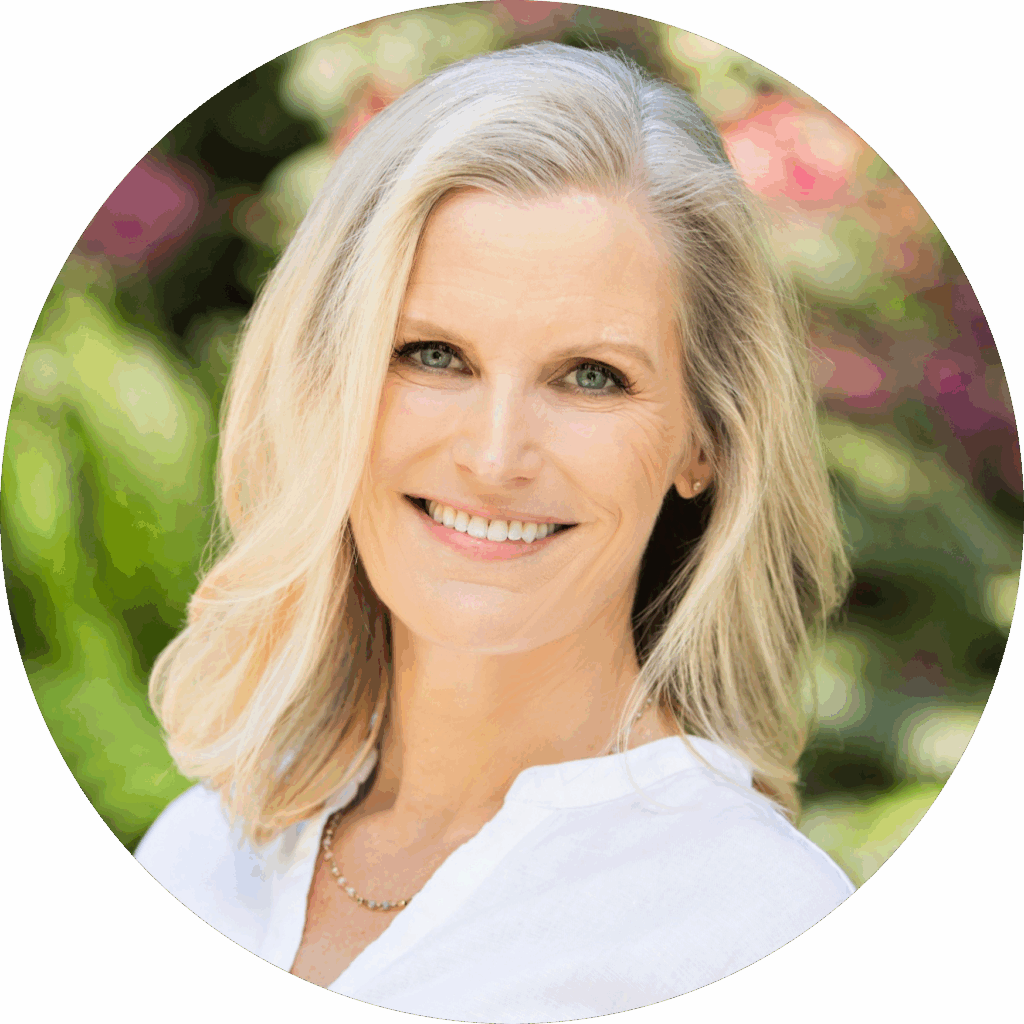
Looking back, I can see how every unexpected turn—every season of change—quietly nudged me toward who I am today: a National Board Certified Health & Wellness Coach (NBC-HWC), a business owner, and someone who’s built a life grounded in clarity, connection, and personal alignment.
But more than any title, I’m someone who values living a good life—not a perfect one. A life that feels rich in meaning, rooted in supportive relationships, and guided by what matters most.
That perspective didn’t just come from personal experience. It also came from research.
One of the most profound findings from the Harvard Study of Adult Development—the longest-running scientific study on human well-being—is this:
The single strongest predictor of long-term happiness isn’t money or status. It’s the quality of our relationships.
That insight shapes how I live my life—and how I support others as a coach. Because when life takes an unexpected turn, a strong support system can make all the difference. And for many, working with a coach is a powerful part of that support.
The Moment Everything Changed
A few years ago, I found myself in the middle of one of life’s big pivots.
I was navigating a divorce. Managing personal health challenges. Trying to stay grounded during a time that felt anything but stable.
It was overwhelming, yes—but also clarifying.
That season invited me to pause and ask deeper questions:
-
What does a good life look like now, in this new chapter?
-
How do I want to feel as I move forward?
-
What would it mean to create something purposeful—not just for me, but for others too?
Those questions didn’t lead to quick answers. But they pointed me in a direction that felt honest.
Eventually, they led me to pursue a Master’s degree in Integrative Health and Wellness. Not as a fix—but as a way to reconnect with the values I care most about: curiosity, growth, and authentic connection.
Stepping Into the Role of Coach
As I explored the field more deeply, I felt a strong pull toward coaching—not as a way to “solve” people’s problems, but as a way to walk beside them.
Health and wellness coaching is about partnership.
It’s not about giving advice or diagnosing mental health issues. It’s about holding space—so clients can explore what matters most to them, identify their strengths, and take aligned, self-directed steps forward.
When I earned my NBC-HWC credential, it wasn’t just another certification. It was a promise:
-
To show up with integrity.
-
To hold space without judgment.
-
To support people as they build lives that feel more like themselves.
Building a Business Rooted in Connection
Starting my coaching practice was a leap—and like most leaps, it came with its fair share of unknowns.
But from the beginning, I was clear about one thing: I wanted to create a space where people didn’t have to perform or pretend. A space where they could explore what they really want for their health and life—at their own pace.
I built my business on a few guiding principles:
-
Focus on your strengths
-
Take one small step at a time
-
Let go of comparison
-
Celebrate quiet progress
This isn’t therapy. It’s not medical treatment. And it’s definitely not a performance.
It’s a space where you can think clearly, reflect deeply, and move forward intentionally—with a steady, compassionate partner by your side.
What the Science (and Life) Taught Me About Well-Being
The Harvard study I mentioned earlier continues to inform both my personal life and my coaching work.
Because here’s the truth: We don’t thrive in isolation.
We grow, heal, and thrive in the context of relationships—especially when we’re in a season of transition or uncertainty.
And one relationship that can be especially powerful in these moments is a professional coaching relationship.
Why?
Because coaching offers a unique kind of support. It’s a collaborative, nonjudgmental space where you can:
-
Reflect on what matters most to you
-
Clarify what’s working and what feels heavy
-
Identify next steps that feel doable and aligned
During my own life transitions, I was deeply grateful for the people who reminded me of what was possible.
Now, that’s what I aim to offer for others.
What Life Looks Like Now
These days, my life isn’t “perfect.” But it feels good.
I’ve created rhythms that support my well-being and help me show up for myself—and others—with clarity and care.
Here’s what alignment looks like for me now:
-
Mindfulness: A daily meditation practice to stay grounded
-
Gratitude: Taking a moment to notice what’s going well—even on hard days
-
Connection: Nurturing relationships that feel mutual and nourishing
-
Health: Making choices around food, rest, and movement that feel kind and supportive
-
Purpose: Doing work that helps others reconnect with themselves
These aren’t “tasks” to check off. They’re gentle anchors—reminders of who I am and what I care about.
Why I’m Sharing This
I’m sharing this because I know how disorienting it can feel when life takes a turn you didn’t expect.
Maybe you’re there now.
Maybe something’s shifted, and you’re not quite sure what comes next.
If that’s you, here’s what I want you to know:
-
You don’t have to figure it all out on your own
-
You don’t have to move at anyone else’s pace
-
And you don’t have to wait for things to get “bad enough” to seek support
Coaching can be a powerful next step.
It offers structure without pressure.
Support without judgment.
And space to reflect, reimagine, and begin again.
Let’s Explore What’s Next—for You
Resilience isn’t about snapping back. It’s about moving forward—intentionally.
If you’re ready to take a thoughtful step toward the life you want to build, I’d be honored to support you.
Fill out the Work With Me Application today.
Let’s have a conversation about where you are, what’s feeling heavy, and what rhythm you’d love to create in this next chapter.
No pressure. No perfection.
Just a space to begin—on your terms.
You don’t have to have all the answers.
You just have to be open to what’s next.